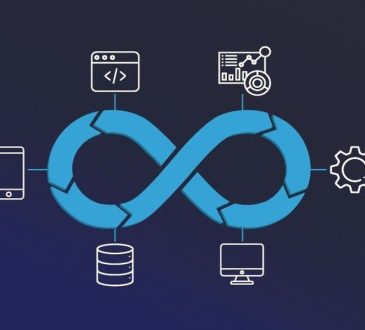


In this day and age, businesses have pressure on them to improve speed, reduce cost, and increase productivity on a day-to-day basis. Most companies want automation, but creating and managing automation systems can be costly and dense. This is where automation as a service is now entering into a functional state.
Rather than paying for expensive infrastructure, organizations can now access automation tools through cloud-based service models. And enablers of advanced technology are now available to companies of all sizes.
Understanding Automation as a Service
Automation as a service is a cloud-based service that allows businesses to access automation technologies without having to build their own systems from the ground up.
The software, infrastructure, updates, and support are managed by the service provider. The tools are delivered through online interfaces, and businesses just access them as needed.
This is the basic model and you can automate some tasks by writing:
- Data entry
- Customer support
- Workflow management
- Inventory tracking
- Invoice processing
The cloud-based nature of the service makes scaling automation needs a lot more manageable for companies.
Why Businesses Are Adopting Automation?
A lack of automation is one of the biggest problems in organizations that are stuck in manual processes.
Having automation as a system enables utility-driven businesses to do more using automation without investing heavily upfront.
Lower Operational Costs
Businesses refrain from investing in capital-intensive hardware and software systems.
Faster Task Completion
Automation speeds up any repetitive processes compared to manual work.
Improved Accuracy
It helps in minimizing human error in data processing and workflows through automation.
Flexible Scalability
Companies may extend automation services according to business requirements.
So, these features of cloud automation are helping both startups and large organizations to adopt to it.
Industries Using Automation Services
Most sectors are now automated.
Healthcare
Automation is used at hospitals and clinics for appointment scheduling, billing, and patient record management.
Retail and E-Commerce
Retail businesses automate product availability updates, order processing, and customer interaction.
Finance
Financial automated applications for fraud detection, reporting, and document verification (between banks and financial companies) automation as a service is being adopted by more and more industries for productivity in the digital transformation quartal.
How Cloud Automation Gained Importance in a Work-from-Home Environment?
The shift in work models − remote or hybrid necessitates more flexible digital systems.
In addition, cloud automation enables employees to access tools and workflows from various locations. Teams can operate independently of physical office architecture.
And this adaptability is a key asset for any business today.
Challenges Companies Should Consider
While the advantages of automation are many, businesses still have to set proper planning before usage.
Common concerns include:
- Data security risks
- Integration with existing systems
- Employee training requirements
- Dependence on third-party providers
Organizations ideally need to pursue service providers with care before implementing automation tools.
The Future of Automation Services
Automation Technology means you meet AI and machine learning. More advanced tasks, such as predictive analytics and customer interactions are being increasingly since been handled by modern systems.
This has made automation as service expected to grow rapidly in the future.
Automation may provide competitive advantage, especially to the businesses that embrace it early.
Final Thoughts
Technology is transforming the way businesses are done. The need of the hour for companies is faster workflows, better accuracy, and scalable digital solutions.
Automation as a service offers enterprises better ways of working that can help cut manual tasks for their teams, drive operational efficiency, and work towards digitizing processes without incurring many infrastructure costs.