
Time is of the essence, especially among the world of aviation professionals. This can disrupt timetables, run into the thousands of dollars, and can affect travelers from several flights. And this is also the reason, whyAOG support is a significant part of the aviation world.
When an airplane is grounded due to a technical problem or part supply, airlines want immediate solutions. The speed it responds could determine whether this is a minor hiccup or an operational nightmare.
What Does AOG Mean?
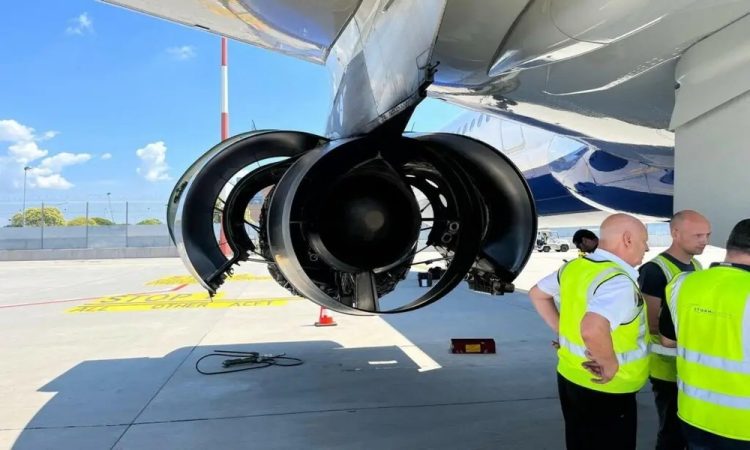
AOG refers to “Aircraft on Ground.” This term is applied when an aircraft cannot operate because it is located at MRO due to maintenance issues, mechanical problems, or unavailability of parts.
Such urgent scenarios are when AOG support teams are engaged to expedite the aircraft back to a state where they are operational again.
Their job often includes:
- Locating critical aircraft parts
- Coordinating emergency shipping
- Providing technical assistance
- Managing repair logistics
The aim is simple: get the airplane back to service as quickly as possible.
Why Fast Response Matters?
Choking every grounded aircraft creates financial strain on airlines It could affect passenger flights, cargo operations, crew schedules, and even airport planning.
Added-value AOG support is critical to minimize downtime and disruption.
Airlines need quick fix solutions because a delay of even few hours can result in:
- Missed flight connections
- Increased operating costs
- Customer dissatisfaction
- Schedule changes across entire fleets
This is the reason why speed and precision are also crucial within AOG situations.
The Challenges Behind AOG Situations
AOG events are never easy to handle. Hundreds of parts must be flown across the country or even a continent in a matter of hours.
Meanwhile every replacement part must meet demanding aviation safety standards, as well as local laws, before kind teams can start repair.
The successful AOG support almost always requires connecting between.
Parts Suppliers
Suppliers have to find and ship approved aircraft parts quickly.
Logistics Teams
They facilitate emergency delivery by air freight and, in particular, express and Priority Delivery services.
Maintenance Engineers
Technical teams assess the aircraft, replace worn-out parts, and implement safety approvals.
These teams must collaborate with each other all under the pressure of time.
Technology is Improving AOG Operations
AOG support services are driven by technology. With the advent of the modern aviation company, revenue-generating airplanes are optimized with modern technology for many factors (reliability, efficiency, etc.).
Digital inventory systems give suppliers the ability to monitor parts availability in real-time. Instead of manually searching through tens of thousands of suppliers, airlines can find components in warehouses around the world in no time.
Others have systems that predict the maintenance needed. Such systems monitor the functionality of an aircraft and project failures before they create an aircraft grounding scenario.
It reduces unexpected delays, working towards greater reliability for the fleet.
Final Thoughts
Fast and reliable AOG support is the cornerstone of the aviation community. In aviation, precious seconds matter − especially when planes get grounded unexpectedly.
AOG teams provide emergency logistics and technical coordination to help keep aircraft flying and airlines operating smoothly. Internationally, it is estimated there will be 8.2 billion air passengers by 2037. With the continued expansion of air travel to more locations, there will be a need for well-run systems in place to allow airlines passengers to travel the world as they have now become comfortable doing.