Analyzing the Impact of Speed Camera Implementation on Collision Reduction in Urban Corridors

Automated speed enforcement has generated significant debate as cities across the United States explore its potential to reduce traffic collisions and fatalities. California’s legislation authorizing speed camera pilot programs (AB 645) in select cities, including Los Angeles, represents a significant policy shift. Data from jurisdictions that have already implemented speed cameras provides an empirical foundation for evaluating the likely impact of these programs on collision frequency and severity.
International and Domestic Outcome Data
A comprehensive meta-analysis examining 35 speed camera studies across 10 countries found (British Medical Journal) (World Health Organization Global Status Report on Road Safety) that speed cameras reduce fatal and serious injury crashes by an average of 17% to 39% at camera locations. The variation in effect size corresponds to program design factors including camera visibility, signage, enforcement penalties, and the speed threshold that triggers citations.
Domestic data from Washington, D.C., one of the longest-running U.S. speed camera programs, shows a 73% reduction in the likelihood of a driver traveling more than 10 miles per hour over the speed limit on camera-equipped corridors. New York City’s speed camera program in school zones reports a 72% reduction in speeding and a 17% reduction in injuries at camera locations (NYU Langone Center for the Prevention of Cardiovascular Disease) (Los Angeles Car Accident Forum).
Corridor-Level Effects
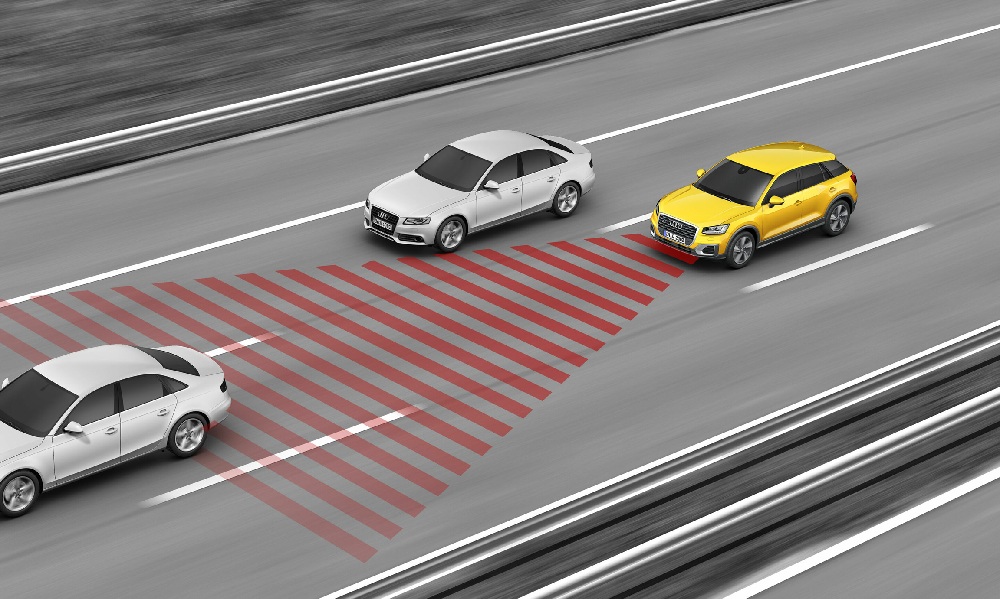
Speed camera effects extend beyond the immediate camera location. Speed camera effects extend beyond the immediate camera location (Insurance Institute for Highway Safety) that fixed speed cameras reduce speeds along an entire corridor, not just at the camera point. The “halo effect” extends approximately 500 meters beyond the camera location, with measurable speed reductions observed up to one kilometer downstream.
Point-to-point speed cameras, which measure average speed between two locations rather than instantaneous speed at a single point, produce even broader corridor effects. Studies from the United Kingdom and Australia show that average speed camera systems reduce fatal crashes on treated corridors by 36% to 46%, a larger effect size than fixed cameras achieve.
Equity Considerations
Speed camera programs face scrutiny regarding equitable implementation and enforcement. Analysis of existing programs shows that camera placement decisions can disproportionately affect lower-income communities if guided primarily by crash data, since lower-income areas tend to have higher crash rates due to road design factors. Los Angeles’s pilot program includes provisions requiring community input on camera placement and income-based fine scaling to address equity concerns.
However, the equity analysis must also account for the distribution of crash victims. Lower-income communities experience disproportionately higher rates of traffic fatalities and injuries. If speed cameras effectively reduce these outcomes, the communities bearing the highest crash burden also receive the greatest safety benefit.
Data-Driven Safety Policy
The evidence base for speed camera effectiveness in reducing collisions and fatalities is extensive and consistent across geographic and regulatory contexts. As Los Angeles implements its pilot program, the performance metrics from other jurisdictions provide benchmarks for evaluating success. For individuals injured in speed-related crashes on corridors where cameras could have been but were not deployed, the available data on effectiveness may inform questions about whether reasonable safety measures were implemented.